The Ultimate Guide to Tile Water Absorption Rates: A Must-Read for Malaysian Homeowners
Malaysia’s beautiful, tropical climate comes with a unique challenge for home design: persistent humidity and frequent rainfall. In homes, this means that “wet areas” like bathrooms, kitchens, and patios are constantly exposed to moisture. When it comes to choosing the right flooring for these spaces, the tiles you select are critical. But what exactly makes a tile suitable for these conditions? The answer lies in a single, crucial factor: the tile water absorption rate.
At Leo Ceramiko, we believe in helping you make informed decisions for your home. This guide will demystify water absorption rates and explain why this technical characteristic is the most important consideration when selecting tiles in Malaysia, especially for wet areas.
What Exactly is Tile Water Absorption?
Simply put, a tile’s water absorption rate is the percentage of water it can absorb relative to its dry weight. This rate is a direct indicator of the tile’s density and porosity. The denser the tile, the fewer pores it has, and the lower its water absorption rate will be. This characteristic is so important that the International Organization for Standardization (ISO) uses it to classify different types of tiles.
Tiles are typically classified into four main categories based on their water absorption rate (E):
- Non-vitreous: E > 10% (High absorption)
- Semi-vitreous: 3% < E ≤ 6% (Moderate absorption)
- Vitreous: 0.5% < E ≤ 3% (Low absorption)
- Impervious: E ≤ 0.5% (Very low absorption)
Why Low Water Absorption is a Game-Changer for Wet Areas in Malaysia
Given Malaysia’s hot and humid climate, wet areas in homes are not just wet from daily use, they are also subject to high atmospheric moisture. Here’s why selecting tiles with a low water absorption rate is essential:
- Durability and Longevity: Tiles with a high absorption rate are more prone to absorbing moisture. Over time, this can lead to the tile weakening, becoming brittle, and cracking. In a country with heavy monsoons and a culture of “wet” bathrooms, low absorption ensures your tiles can withstand constant exposure to water without deteriorating.
- Prevents Mold and Mildew: Porous tiles can harbor moisture within their body, creating a perfect breeding ground for mold, mildew, and bacteria. Not only is this unhygienic, but it can also be a health hazard. By choosing a dense, low-absorption tile, you minimize the risk of these unsightly and unhealthy growths.
- Resistance to Staining: A dense tile with few pores is less likely to absorb spills, oils, and other liquids that can cause permanent stains. This makes cleaning and maintenance much easier, a huge plus for high-traffic kitchen and bathroom floors.
- Stronger Adhesion: The Malaysian practice of using water in bathrooms means that tile floors are constantly wet. High-absorption tiles can cause issues with the adhesive, leading to the dreaded “hollow” sound or, worse, tiles peeling off. Low-absorption tiles provide a more stable and reliable surface for installation.
Ceramic vs. Porcelain Tiles: The Key Difference for Malaysian Homes
This is where the distinction between ceramic tiles in Malaysia and porcelain tiles in Malaysia becomes critical.
- Ceramic Tiles: While perfect for wall installations and less-wet areas, many ceramic tiles have a higher water absorption rate (typically > 3%) due to their more porous composition. They are a good choice for general indoor use, but for high-moisture zones, you need to be selective.
- Porcelain Tiles: Engineered with denser clay and fired at higher temperatures, porcelain tiles are a type of ceramic tile that falls into the “impervious” category. With a water absorption rate of 0.5% or less, they are exceptionally dense, durable, and highly resistant to moisture.
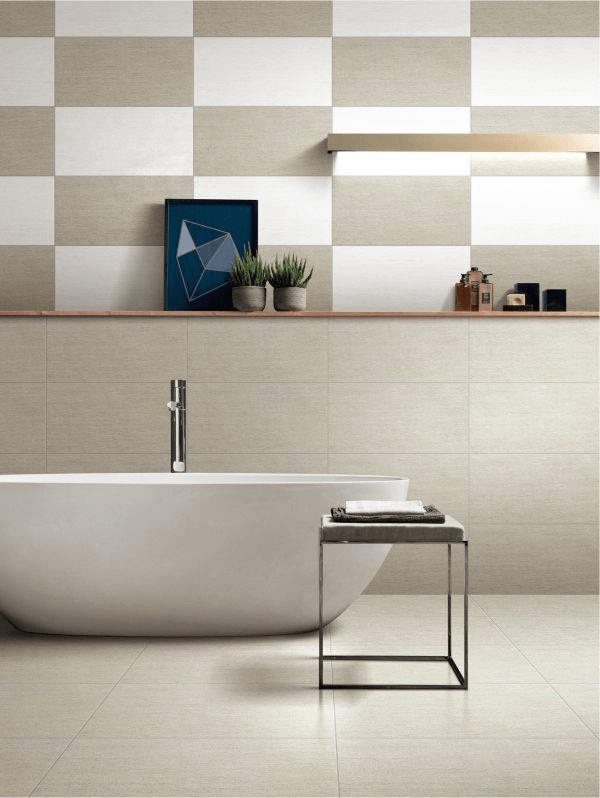
For this reason, Leo Ceramiko highly recommends our range of porcelain tiles for all your wet area applications, including bathrooms, kitchens, and outdoor spaces. They offer the best defense against Malaysia’s unique climate challenges.
Leo Ceramiko’s Commitment to Quality Tiles in Malaysia
At Leo Ceramiko, we are proud to offer a diverse collection of high-quality, eco-friendly tiles that are specifically suited for the Malaysian climate. Our collections, including the Bellisimo and Cardoso Glazed Porcelain Tiles, are not only stylish and minimalist but are also designed to be durable and long-lasting in any high-moisture environment. We are committed to a zero-defect aim and offer a money-back guarantee on any chipped or broken products before installation.
Conclusion
Don’t let the technical jargon confuse you. When renovating or building your home in Malaysia, prioritizing a low water absorption rate is key to ensuring your tiles last for years to come. For durable, stylish, and high-performance tiles, trust Leo Ceramiko to provide the perfect solution for your home’s wet areas.
Explore our full range of ceramic and porcelain tiles today! Contact us to speak with our experts and find the perfect tiles for your home.