


MASALAH JUBIN ‘MELETUP’: 6 PUNCA DAN PENYELESAIANNYA
Bagi pemilik kediaman, pengalaman mendengar bunyi jubin meletup boleh menjadi satu pengalaman yang menakutkan. Bunyi meletup yang kuat datang dari arah lantai pasti sangat mengejutkan bagi sesiapa yang tidak pasti apakah puncanya. Jubin ‘meletup’ atau dalam Bahasa Inggeris yang disebut ‘buckle up’ atau ‘popped-up’ merupakan perkara yang biasa terjadi sampai kini walaupun teknologi industri jubin telah bertambah baik. Gambar contoh kejadian jubin ‘meletup’ Semasa industri jubin berevolusi, pemerhatian banyak dilakukan bagi mengetahui dengan lebih lanjut tentang masalah-masalah yang berlaku pada jubin. Bagi masalah jubin ‘meletup’, terdapat 6 punca masalah utama dan disertakan jalan penyelesaiannya bagi mengurangkan kebarangkalian untuk kejadian ini daripada...
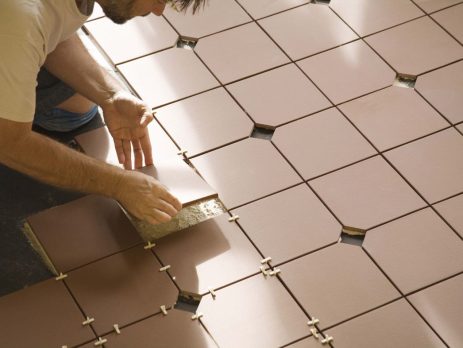
KAEDAH PEMASANGAN JUBIN YANG BAIK
Industri pembinaan di Malaysia merupakan antara penyumbang utama kepada sektor ekonomi negara. Malaysia diiktiraf sebuah negara membangun paling pesat selain menjadi pemain ekonomi paling kompetitif dalam kalangan negara membangun di Asia berdasarkan fakta terkandung dalam Laporan Kompetitif Global. Hal ini dapat dilihat di bandar-bandar besar di negara kita aktiviti pembangunan sangat rancak berlaku ibarat cendawan tumbuh selepas hujan hingga ke masa ini. Seiring dengan kepesatan pembangunan di negara ini, teknologi dan kualiti bahan binaan juga turut mengalami perubahan. Sebagai contoh, pembuatan jubin dan pelekat jubin juga turut mengalami revolusi baik dari segi nilai estetik mahupun fungsi. Cara pemasangan jubin moden...
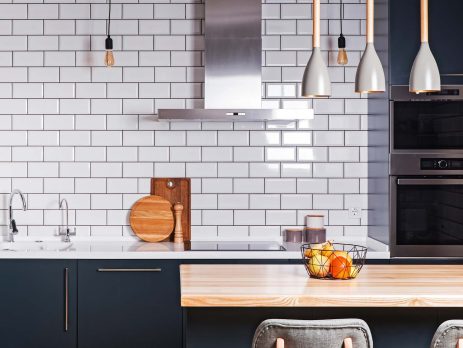
WHICH IS THE BEST MATERIAL FOR KITCHEN BACKSPLASH ?
During yesteryear, not much attention is given to kitchen backsplashes except for some white ceramic tiles with 150x150mm in size being installed on top of concrete kitchen stoves for folks living in the urban area while aluminum sheet or foil that is used for rural folks with few inches high to protect walls from cooking splashes. Fast forward to modern times, a backsplash is currently an important component of a good kitchen design where efforts are made to pre-plan with its benefits and drawbacks in mind before deciding which is the best material to use. What are the most common...

PROTECT EARTH BY GOING GREEN WITH RECYCLED/ECO-FRIENDLY TILES
The World population has proliferated over the years to 7.9 Billion people and we, humans are the culprit in contributing to the pollution and greenhouse gasses worldwide which give rise to global warming, clogging the landfill, unhealthy air quality, and toxification to our water source. Is this the future we want for the next generations? Whenever we have recycled contents in the tile products, it helps to reduce wastes, re-use materials and conserve natural resources while alleviating unnecessary or excess materials ending up in landfills or incinerators. At the same time, by cutting back on energy consumption, it will reduce...
What is Grade A Tile? What about Grade B Tile?
First and foremost, no single factory will intentionally produce tiles in Grade B (2nd Grade Tile). Factory's main aim is to manufacture Grade A (1st Grade) tiles, or in other words, to achieve 100% of that in their production yield. However, this is not possible in reality. Imperfection can happen in production, and the Grade A tiles yield may fluctuate between 94% to 97%, which is considered a remarkable production output. The remaining 3% to 6% output is either downgraded to be sold as Grade B tiles or rid of as rejected tiles. Grade A tile fetches a much higher...
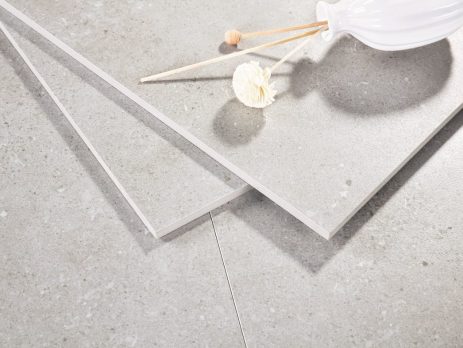
How Many Types of Tiles
“Tile differences?” one may ask. Are there any differences in the first place? Why is there so much confusion with terms and names? Let us decipher this for you. Over a period of time with the advent of technology, Malaysian tiles have grown primarily in terms of sizes from small sizes like the mosaics (any sizes below 100x100mm), which is common in the 1960s to 200x200mm in the 1980s, followed by 300x300mm, 400x400mm in the 1990s, while proceeding to 300x600mm and 600x600mm in the early 2000s. Thereon, the sizes continue to grow larger and larger by the day. Transfer of technology...